
How to Increase Milk Production in Dairy Farms Naturally
Every dairy farmer wants one thing: Increase milk production without significantly increasing costs. While many people focus on expensive supplements and commercial additives, the truth is that milk yield can often be improved naturally through better management practices, balanced nutrition, proper housing, and excellent animal care.
Healthy cows produce more milk. When animals receive quality feed, clean water, a comfortable environment, and proper healthcare, their milk production naturally increases. These improvements not only boost productivity but also improve animal welfare and long-term farm profitability.
In this guide, you’ll learn practical and natural methods to increase cow milk yield while maintaining a sustainable and profitable dairy farming operation.
Why Milk Production Matters
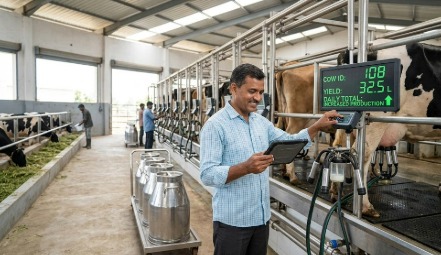
Farm income is determined by the sale of milk, and the higher the sale of milk, the following results:
- Better feed efficiency
- increased daily revenue
- Improved profitability
- better return on investment,
- better sustainability of the farm.
The health of animals must be considered when increasing milk production. Sustainable Production has focused on the health and productivity of dairy cows for many years.
Understanding Factors That Affect Milk Yield
Before determining how to increase milk production, the factors that determine the amount of milk a cow can produce must be understood.
Primary Considerations
- Genetic disposition
- Quality of feed
- Quantity of water
- Health of animals
- Housing
- Stress
- Reproductive management
- Milking management
Natural productivity in these areas can be improved.
1.Provide Balanced Nutrition
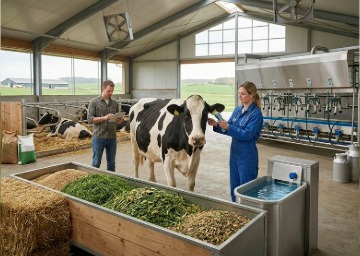
Balanced nutrition has the greatest impact on milk production.
A balanced diet for a dairy cow includes:
- Energy
- Protein
- Fiber
- Vitamins
- Minerals
Nutrition deficiencies can lead to poor dairy cow health and low milk yield.
Green Fodder
Green fodder has many nutrients and aids in digestive health.
Examples of good green fodder include:
- Napier grass
- Maize fodder
- Sorghum
- Cowpea fodder
- Lucerne
Natural green fodder can increase milk production.
Dry Fodder
Dry fodder has sufficient fiber content.
Examples of dry fodder include:
- Paddy straw
- Wheat straw
- Hay
Dry Fodder aids in the health of the rumen.
Concentrate Feed
Concentrates are a good source of protein and energy and are required for milk production.
Maize, Bran, Oil cakes, and Pulses are examples of good feed concentrate.
Balanced feed concentrates can aid in increased productivity.
2.Constant Availability of Water
Water can be one of the most neglected nutrients in dairy farming.
Since milk is a majority of water, there is a high need for water.
Positive Impacts of Water on Dairy Cattle
- Increased milk yield
- Improved digestion
- Increased feed consumption
- Better health
A dairy cow should always have water available.
3. Improve Dairy Feed Management
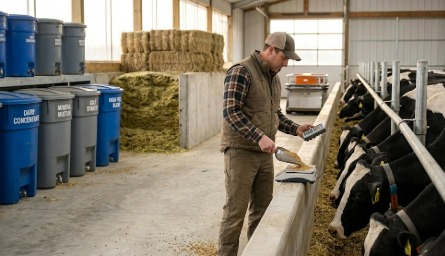
Equal importance to dairy feed quality is the proper management of dairy feed.
Feed at Consistent Times
Feed on a regular schedule to optimize rumen efficiency.
Avoid Feed Wastage
Use an adequate feeding system to deter loss.
Store Feed Properly
Feed should not be exposed to:
- Moisture
- Molds
- Contaminants
Use Mineral Mixtures
Minerals help:
- Milk production
- Reproductive function
- Health
Dairy diets frequently require a mineral supplement.
4.Cultivate Quality Fodder on Your Farm
Farm-grown fodder can be beneficial.
Benefits
- Lower feed costs
- Greater control of feed quality
- Better supply of feed
- Higher profitability
Farm-grown fodder is usually more nutritious and of higher quality than purchased fodder.
5. Maintain Cow Health Naturally
Cows in good health tend to be cows in good business.
Preventative health is superior to disease treatment.
Vaccination
Vaccination programs offer a preventative method of dealing with common diseases.
Deworming
Deworming cows on a regular basis tends to increase cows’ health as it addresses parasites and allows better nutrient absorption.
Health Checks
Cows should be checked regularly for changes in either milk production or appetite, as well as for any changes in behavior or general health.
6. Reduce Stress in Dairy Cows
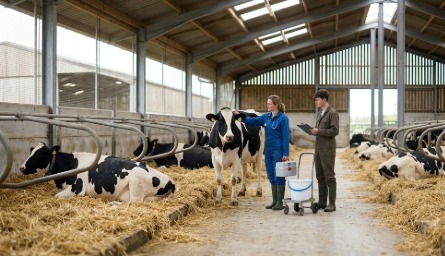
Dairy cow stress can lead to a decrease in overall milk production.
Stress is usually due to;
- Overcrowding
- Poor ventilation
- Rough handling
To limit cow stress:
- Provide and maintain adequate ventilation
- Handle cows with care
- Provide a comfortable environment
Milk production tends to increase in an environment that is stress-free.
7. Provide Comfortable Housing
Housing conditions directly impact productivity.
Features of Good Dairy Housing
Adequate Space
Avoid overcrowding.
Ventilation
Fresh air enhances health and comfort.
Dry Flooring
Prevents disease.
Clean Environment
Helps animals and increases productivity.
Comfortable cows are productive and spend more time eating and resting, therefore increasing the amount of milk they produce.
8. Follow Proper Milking Practices
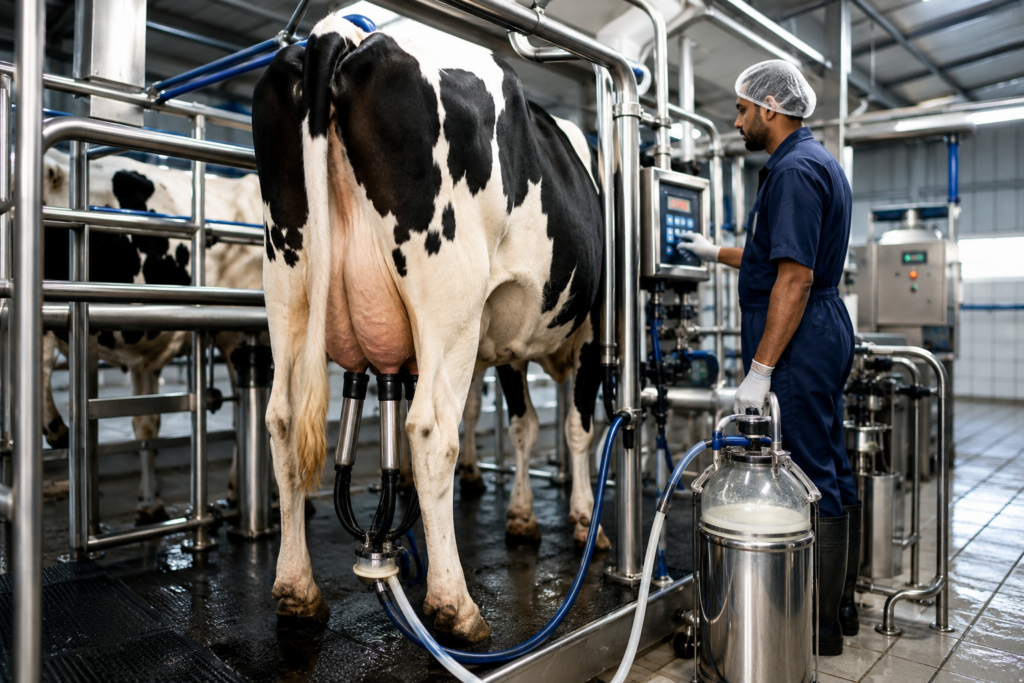
Management of milking positively impacts the amount of milk produced.
Maintain Consistent Milking Times
Cows prefer milking to be done at the same time every day.
Keep Equipment Clean
Clean equipment when milking results in better quality milk and lower chances of diseases.
Gentle Milking Techniques
Milking too aggressively causes stress and lowers productivity.
9. Select High-Producing Dairy Breeds
The right genetics play an important part in milk production.
Dairy breeds of choice include:
- Gir
- Sahiwal
- Jersey
- Holstein Friesian (HF)
Choosing healthy and productive breeds gives a good return throughout the years.
10.Consider the Use of Good Reproductive Practices
Good reproduction practices make it easier to have a constant supply of milk.
These include:
- Timely breeding
- Heat detection
- Pregnancy checking
- Calving practices
Good reproductive practices improve the overall productivity of the farm.
Natural Feed Supplements That Support Milk Production
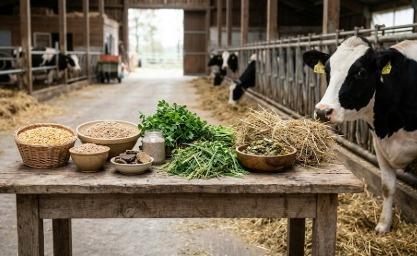
There are a number of natural feed additives that may help improve the performance of dairy cows.
These include:
- Oil cakes
- Legume fodder
- Mineral mixtures
- Quality silage
- Green fodder crops
Always make sure that the feed additives are suitable for your specific herd and your feeding system.
Common Mistakes That Reduce Milk Production
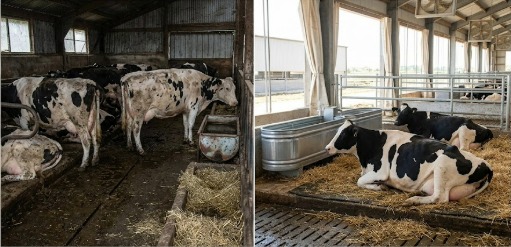
There are a number of things dairy farmers do without knowing that lower productivity.
Poor Feed Quality
When cows suffer from feed shortages, milk production decreases.
Inadequate Water Supply
Even a shortage of water for a short period can negatively impact milk production.
Overcrowded Housing
If cows are housed poorly, they become competitive for feed and space, which leads to overcrowding and stress.
Delayed Medical Attention
If health problems are not addressed, productivity decreases.
Irregular Feeding Schedules
If cows are not fed at regular times, it may disrupt their digestion. This may adversely affect milk production.
How Much Potential is There to Increase Milk Production?
The potential to increase Production relies on the current conditions of the farm.
Many farms experience significant increases in milk production if they are able to:
- Better Nutrition
- Better Veterinary Care
- Better Therapeutic Care
- Better Management and Housing
- Better Care of the Animals
These changes provide a farm with the best potential opportunity of achieving sustainable positive increases in Production in the long run and not in the short run.
Role of Natural Farming Practices in Dairy Production
Some of the practices of Natural Farming assist Dairy Farming and are:
- Growing fodder on the farm
- Using cow dung to make compost on the farm
- Less waste
- Better farming practices
- Better livestock and cropping integration
These practices strive for sustainability on the farm and enhance the profitability of the farm.
Long-Term Benefits of Increasing Milk
There are a number of positive aspects of natural increases in Production.
Better Animal Health
Healthy cows are productive cows.
Lower Veterinary Expenses
Preventative care leads to less disease and care.
Improved Profitability
More milk = more profit.
Sustainable Dairy Farming
Utilizing Natural methods = more profit over more time.
What is the Future of Dairy Farming in India?
Dairy farming continues to improve in India and beyond due to:
- Better Livestock
- Better Nutrition
- Better Management
- Better Farming Technology
The farmers who focus the most on the welfare of the animals and the best daily management of the farm will achieve the most success in the future.
Conclusion
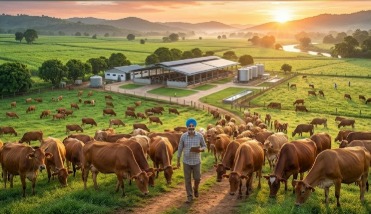
The focus on increasing milk production naturally is not focused on the farming industry of shortcuts or overly luxurious farming inputs. It is about setting the best environment on the farm for cows to maximize their productivity. Balanced Nutrition and fodder, clean water, good housing, better Health care, and low-stress management all lead to major increases in milk production.
Integrating holistic practices strengthens the sustainability of the business while reducing costs and increasing profitability. Establishing the health and welfare of the herd as a priority is a characteristic of the most successful dairy farms. Consistent health in the milking herd drives both Production and profitability, ultimately bringing success to the business.
Frequently Asked Questions
How can I increase milk production naturally?
Providing balanced nutrition, clean water, proper housing, stress-free conditions, and good healthcare can naturally improve milk production.
Does green fodder increase milk yield?
Yes. Quality green fodder supplies important nutrients that support milk production and overall cow health.
Why is water important for dairy cows?
Milk contains a high percentage of water, making hydration essential for maintaining milk yield.
Which dairy breed produces the most milk?
Holstein Friesian (HF) cattle are among the highest milk-producing dairy breeds commonly used in India.
Can stress reduce milk production?
Yes. Heat stress, overcrowding, poor housing, and rough handling can significantly reduce milk yield.