
Dairy Farming Business Plan in India: Cost, Setup and Monthly Profit
Dairy farming business is one of the most profitable farming-related businesses in India. India is the highest producer of milk, and therefore has great potential for farmers and even budding entrepreneurs to earn a decent and sustainable living.
With daily consumption of milk and dairy products by millions of households, dairy farming is a year-round, in-demand business. Unlike crops that have a specific growing and harvesting season, dairy provides a steady stream of cash through the sale of milk on a daily basis. For small and even large-scale businesses, this provides an attractive opportunity.
If you plan to start either a small-scale operation with a few cows or a large-scale commercial dairy farm, this guide will cover the cost, setup, management, and profit aspects of dairy farming in India.
Reasons to Start a Dairy Business
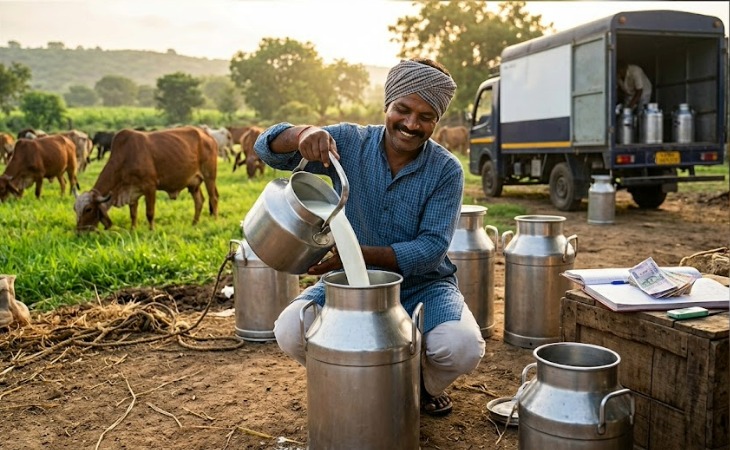
With the high demand for milk and milk products, dairy farming has one of the most stable agribusiness opportunities.
Benefits of Dairy Farming
Daily Income
Milk is saleable on a daily basis, providing a steady income.
Strong Market Demand
Milk and milk products are staples in a family’s household.
Additional Income Sources
Farmers make income from:
- Sales of milk
- Sales of calves
- Sales of organic manure
- Sales of vermicompost
- Sales of processed dairy products
Government Support
There are many subsidies and programs for helping dairy businesspeople.
Long-term Income Security
Dairy farming provides a more stable income when there are fluctuations in other types of farming.
Understanding the Dairy Industry in India
India is the top country for total milk production.
There is increasing demand in:
- Towns
- Food Processing
- Restaurants
- Sweets
- Grocery Stores
There are many opportunities in this expanding market for all types of dairy farmers.
Dairy Farm Setup Requirements
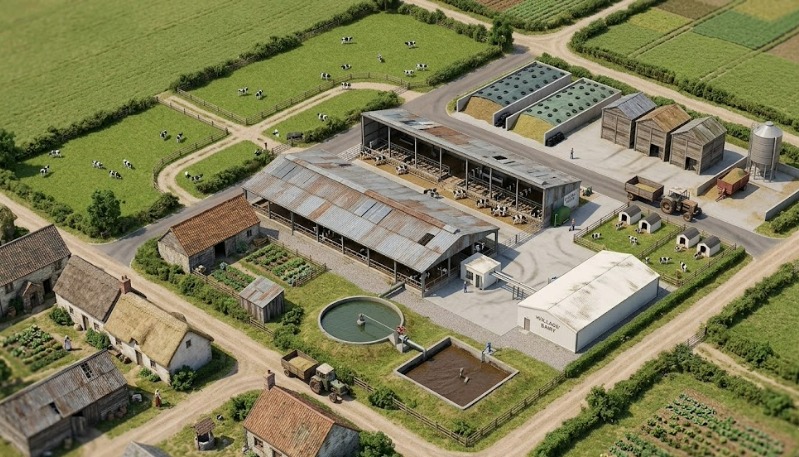
Careful planning leads to successful dairy farming.
Land
The amount of land needed is determined by:
- The number of animals
- The plans for growing fodder
- The plans for building animal housing
Small dairy farms can get started with limited land, while bigger dairy farms require more land for growing fodder.
Availability of Water
Dairy animals use a lot of clean water.
Water is used for a number of tasks.
- Drinking
- Shed Cleaning
- Equipment Cleaning
- Feed Preparation
A good supply of water is needed for dairy farming.
Availability of Electricity
Electricity is required for:
- Lighting
- Pumps
- Cooling
- Milk Storage Equipment
Dairy Shed Design
Dairy animals need to be comfortable for optimal milk production.
Features of a Good Dairy Shed
- Good Airflow
- Enough Space to Avoid Crowding
- Drainage for Reducing Cleaning and Disease
- Stress-Reducing Flooring
- Clean Feeding Areas
Profitability is directly related to good dairy shed design.
Choosing the Right Dairy Animals
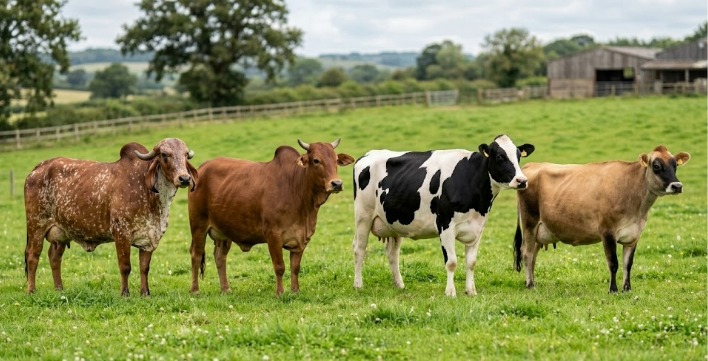
Choosing the right animals is one of the most crucial decisions in the business.
Best Dairy Cow Breeds in India
Popular dairy breeds:
Gir Cow
High-quality milk
Good heat tolerance
Good disease resistance
Sahiwal Cow
Good milk production
Good adaptability to Indian conditions
HF (Holstein Friesian)
High milk yield
Good for commercial dairy
Jersey Cow
Good feed conversion
Good milk fat
All of the above breeds are good for business success if you are looking for healthy, productive animals.
Dairy Farming Cost in India
This is very much dependent on farm size and the type of infrastructure.
Example: small dairy farm with 10 cows:
Animal Purchase
₹5,00,000 – ₹8,00,000
Shed Construction
₹2,00,000 – ₹4,00,000
Equipment
₹50,000 – ₹1,50,000
Includes:
- Milking equipment
- Feed storage facilities
- Water systems
Initial Feed and Fodder
₹50,000 – ₹1,00,000
Miscellaneous Expenses
₹50,000 – ₹1,00,000
Total Initial Investment
Approximately:
₹8 lakh – ₹15 lakh
Actual costs depend on location, breed selection, and infrastructure quality.
Dairy Feed Management
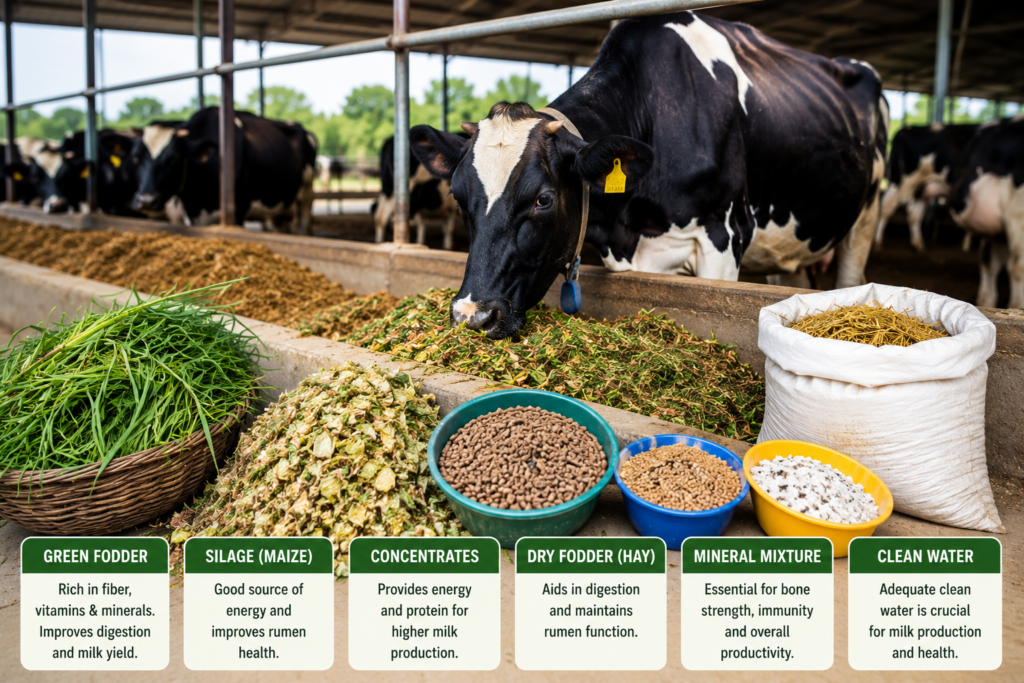
Feed accounts for the largest portion of operating expenses.
Proper nutrition directly influences milk production.
Balanced Diet Components
Green Fodder
Provides essential nutrients.
Dry Fodder
Supports digestion.
Concentrates
Supply energy and protein.
Mineral Mixtures
Improve health and productivity.
Benefits of Proper Feed Management
- Higher milk yield
- Better reproductive performance
- Improved animal health
- Reduced veterinary expenses
Dairy Farm Labor Requirements
The size of the farm will also determine the size of the labor force.
Most commonly performed tasks encompass:
- Feeding
- Cleaning
- Milking
- Animal monitoring
- Record keeping
Family-run farms tend to cut labor expenses enormously.
Milk Production Parameters
Milk production varies by:
- Breed
- Quality of feed
- Health management
- Environmental conditions
When properly managed, high-yielding cows can easily outproduce local breeds.
Management is crucial to optimizing production.
Dairy Farming Monthly Expenses
Common expenses comprise:
Feed and Fodder
The largest expense category.
Labor
Monthly wages for farm workers.
Veterinary Care
Vaccination and disease prevention.
Electricity and Water
Operational expenses.
Maintenance
Repairs and routine upkeep.
Profitability of Dairy Farming
We will now consider a hypothetical scenario to illustrate profitability.
Illustrative Dairy Farming Scenario
Assume we have the following farm data:
- 10 Milch cows
- Average milk production = 120 liters per day
- Selling price of milk = ₹45 per liter
Daily Revenue = ₹5,400
Monthly Revenue = Approximately ₹1,62,000
Average Monthly Operating Expenses = ₹80,000 to ₹1,00,000
Estimated Monthly Profit = ₹60,000 to ₹80,000
Profitability of this scenario will depend on these factors:
- Breed
- Feed costs
- Milk prices
- Efficiency of the farm
Additional Income Sources
Most of the best-performing farms have multiple income streams.
- Organic manure
- Vermicompost
- Sale of calves
- Biogas
- Value-added dairy products
Some of the dairy value-added products are
- Ghee
- Paneer
- Curd
- Butter
- Flavored milk
The profitability of dairy farms can improve hugely with value-added products.
Challenges of Dairy Farming
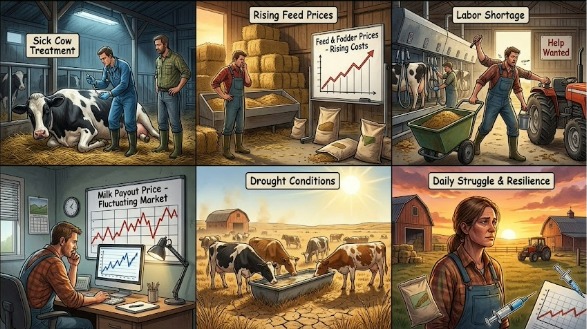
Some of the challenges of dairy farming are:
- Milking
- Animal health management
- Deliveries
- Collection of dues
Management of Dairy Farming Challenges
Frequent veterinary checks and vaccinations will aid in improving the health of your animals.
Feed Price Increases
Feed price increases reduce profits.
Solution
Grow fodder on the farm, if possible.
Milk Price Increases
Market changes can affect profits.
Solution
Generate alternative income streams.
Labor Issues
Skilled labor is hard to find.
Solution
Implement a well-planned farm system and offer staff training.
Maximum Profit Dairy Farming
Select Animals With High Milk Production
Animal genetics influences profitability.
Feed Efficiency
Balanced animal nutrition increases food conversion.
Animal Health
Healthy animals produce more milk.
Reduce Wastage
Optimal management of farm resources increases profits.
Explore Value Addition
Direct on-farm processing of milk products can give better returns.
Government Support and Subsidies
Government aids dairy entrepreneurs through:
- Subsidized loans
- Support to create infrastructure
- Training and workshops
- Subsidized equipment
Farmers need to monitor the schemes of the state government through the local agriculture and dairy development offices.
Future of Dairy Farming in India
The potential of the dairy industry is increasing, and several factors are its impetus.
Dairy Farming Population Growth
The population growth of consumers of milk keeps increasing.
The Expanding Dairy Industry
The growing processing and value-added product industries.
The Changing Technologies
Many new tools for the management of farming enterprises are helping productivity.
The Changing Awareness of Health
Consumers are moving towards the purchase of better-quality dairy.
All of these factors are encouraging and creating long-term opportunities in dairy farming.
The Dairy Industry
Is Dairy Farming Profitable Business!
The answer is yes!
The benefits of efficient dairy farming are:
- Liquid cash flow throughout the year
- Multiple income opportunities
- Business longevity
- Business growth potential
Efficient management of the animals, the fodder, and the marketing are the important factors determining success.
Conclusion
Dairy farming is a leading agricultural business in India that is both reliable and profitable. With the correct facilities, animals, and feed management, farmers have the opportunity to gain a regular income for the month and develop their business.
With either small or large-scale farming, the demand for milk in India, paired with the right knowledge, management, and care of animals, makes dairy farming a great business opportunity.
Frequently Asked Questions
How much do you need to invest to start a dairy farm?
Between ₹8 lakh and ₹15 lakh is required to start a small-scale dairy farm of 10 cows, depending on the prices of cows and the infrastructure.
Is starting a dairy farm in India profitable?
Yes, there are great profits to be made in dairy farming from the sales of milk and other associated income streams.
What types of cows are good for milking?
Gir, Sahiwal, Holstein Friesian (HF), and Jersey cows are some good dairy breeds.
What do dairy farmers spend the most money on?
The largest part of the operational costs is feed and fodder.
What do you have to do to make a dairy farm more profitable?
Dairy farming becomes more profitable with better feed management, selective breeding of dairy animals with good productivity and health, and selling dairy products that have undergone value-added processing.